 NL
 DE
Looking for the right furniture for your company restaurant? Below, you’ll discover what to consider when choosing tables, chairs and […]

The Guest Experience Check-Up: How Does Your Venue Score on Atmosphere, Maintenance and Comfort?
Melanie Kollen
5 minutes
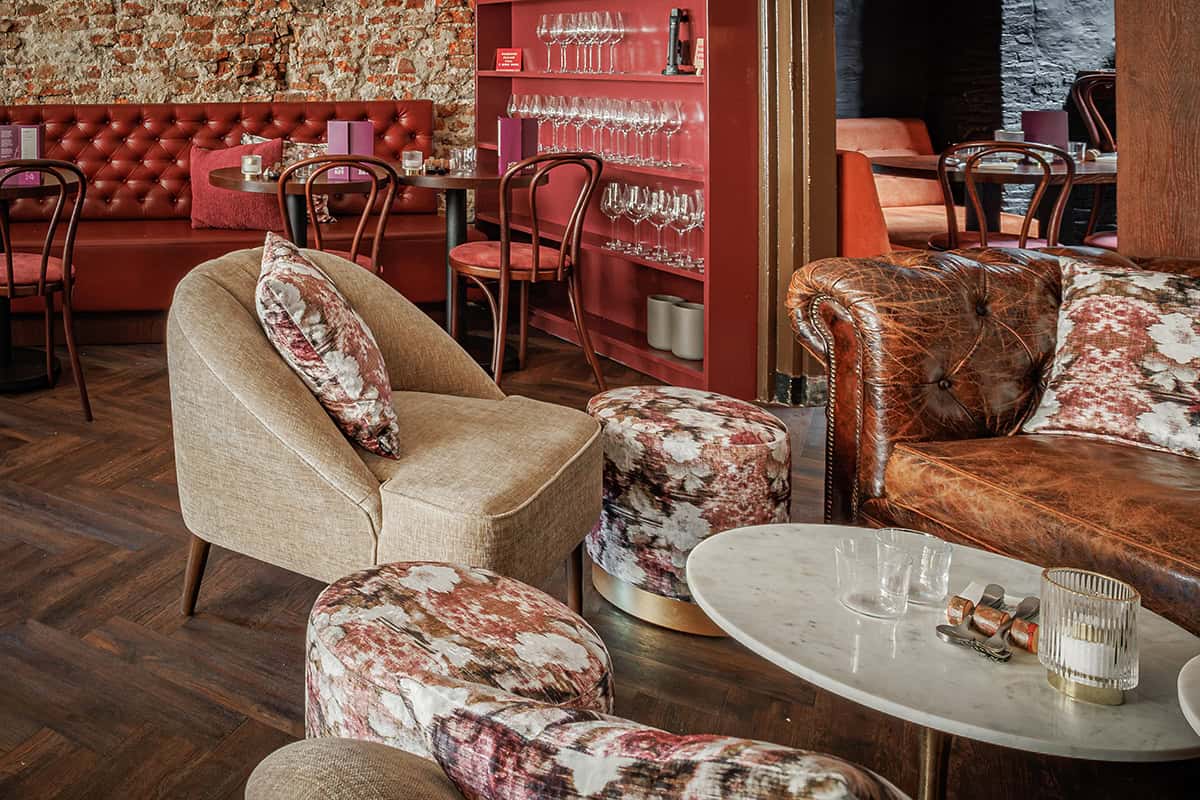
A successful hospitality business is built on great food, excellent service and an interior that enhances the guest experience. Do your guests feel welcome, can they move around easily and are they comfortable enough to stay longer? With the Guest Experience Check-up, you can assess your interior in three key areas: atmosphere, maintenance and comfort. Discover where improvements can be made and how smart adjustments can take the guest experience to the next level.
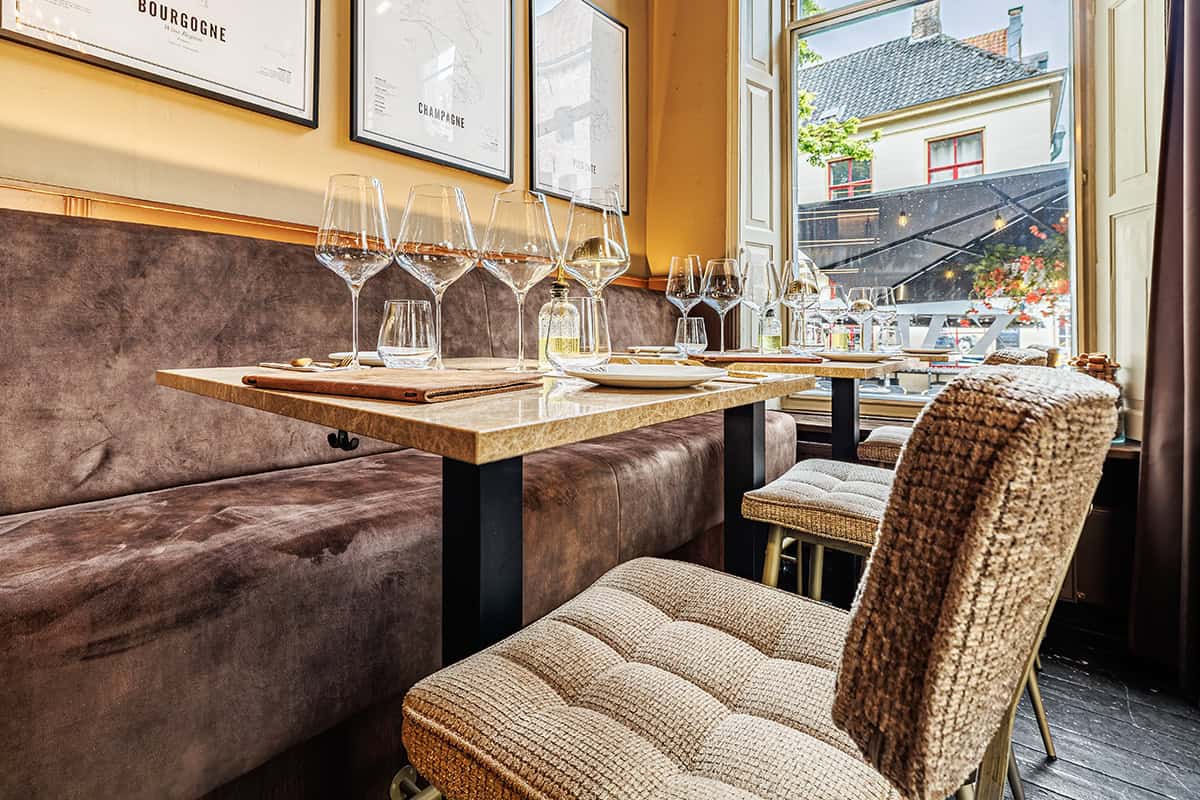
An interior that has worked well for years does not necessarily still suit your hospitality business. Perhaps your target audience has changed, or guests are experiencing inconveniences such as narrow walkways, wobbly tables or uncomfortable chairs.
By regularly evaluating your interior, you can identify areas for improvement. A new table layout, different chairs or adjusted lighting can already make a big difference without having to revamp the entire interior.
The Guest Experience Check-up consists of three checks:
First impressions are often formed before a guest has even looked at the menu. Colours, materials, lighting and furniture all contribute to how a space feels. That is why it is important for your interior to reflect the identity of your hospitality business.
Here’s how to assess the atmosphere of your venue:
The atmosphere check is successful if your interior clearly reflects your concept, guests feel welcome and the space invites them to take a seat.
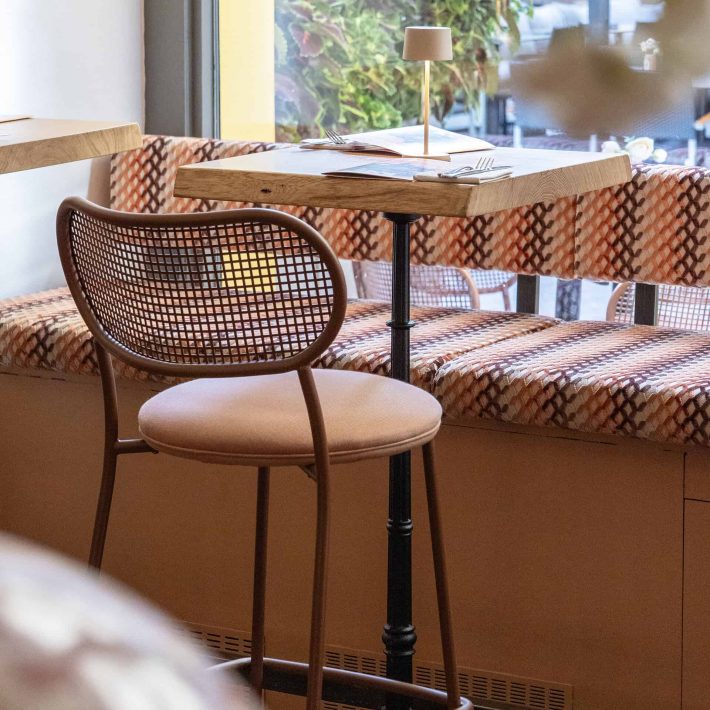
A hospitality interior faces a lot of wear and tear every day. Guests move chairs around, tables are used intensively, and furniture and upholstery regularly come into contact with food, drinks and cleaning products. Choosing the right materials helps keep your venue looking presentable and prevents unnecessary maintenance work.
Here’s how to carry out the maintenance check:
Materials that are difficult to clean or easily damaged can make daily tasks unnecessarily demanding. Wear and tear and stubborn stains can also detract from the appearance of your hospitality venue.
The maintenance check is successful if your interior is easy to clean, withstands daily use and continues to look well cared for, without requiring unnecessary time and effort to maintain.
Comfort has a major influence on how guests experience their visit. A chair may look beautiful, but if the seating position is uncomfortable or the table is too high, spending a long time at the table becomes less enjoyable. Conversely, comfortable seating can help guests relax and enjoy their meal or cup of coffee.
Here’s how to assess seating comfort:
The type of hospitality furniture also makes a difference. Hospitality chairs with firm seats are practical for intensive use. Benches can make efficient use of space and create a cosy atmosphere, provided the table height and seat depth are well matched.
The comfort check is successful if guests can sit comfortably, have enough personal space and your furniture suits the function of the space.
After completing the three checks, you have a clearer picture of the strengths and areas for improvement in your hospitality interior. But where should you start? Not every issue has the same priority. Use the following categories to assess the results of your Guest Experience Check-up:
| SCORE | MEANING | WHAT CAN YOU DO? |
|---|---|---|
| Good | This area is working well. | Keep what works well and continue to evaluate it. |
| Area for improvement | There are minor issues or opportunities for improvement. | Make targeted improvements. |
| Action required | The interior compromises comfort, appearance or functionality. | Prioritise this area in your improvement plan. |
Ask your staff for feedback too. They are often the first to notice where guests encounter difficulties, which chairs are frequently moved or which seats are less comfortable. Also ask your guests about their experiences. Short conversations and recurring comments can provide valuable insights.
A check-up only delivers real results when you turn the findings into improvements. This does not have to involve a complete renovation. New colours, lighting, a different table layout or more comfortable chairs can already make a big difference. When choosing new furniture, consider not only its appearance but also maintenance, durability and ease of use. This ensures your interior suits both your concept and the demands of daily operations. At Kaja, we help hospitality businesses with suitable furniture and interior design projects, from choosing the right chairs and tables to developing a complete interior concept. Together, we create a venue where atmosphere, maintenance and comfort come together, helping both guests and staff feel at ease.
How can you improve the guest experience in a restaurant?
Start by assessing atmosphere, traffic flow and comfort. Create an interior that aligns with your concept, a well-planned table layout and comfortable seating. Ask guests and staff for feedback, then address the improvements that will have the greatest impact on their experience.
How do you know when it’s time to refresh your hospitality interior?
Signs include worn furniture, an appearance that no longer matches your concept, recurring complaints about comfort and bottlenecks in walkways. If your target audience or business concept changes, it is also worth reassessing your interior. Refreshing your interior does not always require a complete renovation.
Which furniture contributes most to guest comfort?
Well-matched hospitality chairs, armchairs and sofas are particularly important for seating comfort. Pay attention to seat height, seat depth, back support and the proportions of the chair in relation to the table. Sufficient space between seats and a suitable table layout are also essential.
Looking for the right furniture for your company restaurant? Below, you’ll discover what to consider when choosing tables, chairs and […]
Summary Guests stay longer, order more and return more often when they are seated comfortably. Below, you will discover why […]
When you work on the design and realization of hospitality interiors every day, your own restaurant is naturally the perfect […]

On Monday 2 and Tuesday 3 November, Kaja and various partners will host the Hospitality Experience Event at the Hospitality […]
We have already worked
for these customers


